Anna Wagner · 28 September 2026
Investigating the Impact of Tidal Patterns on Dyeing Processes for Oceanfront Bedding Collections
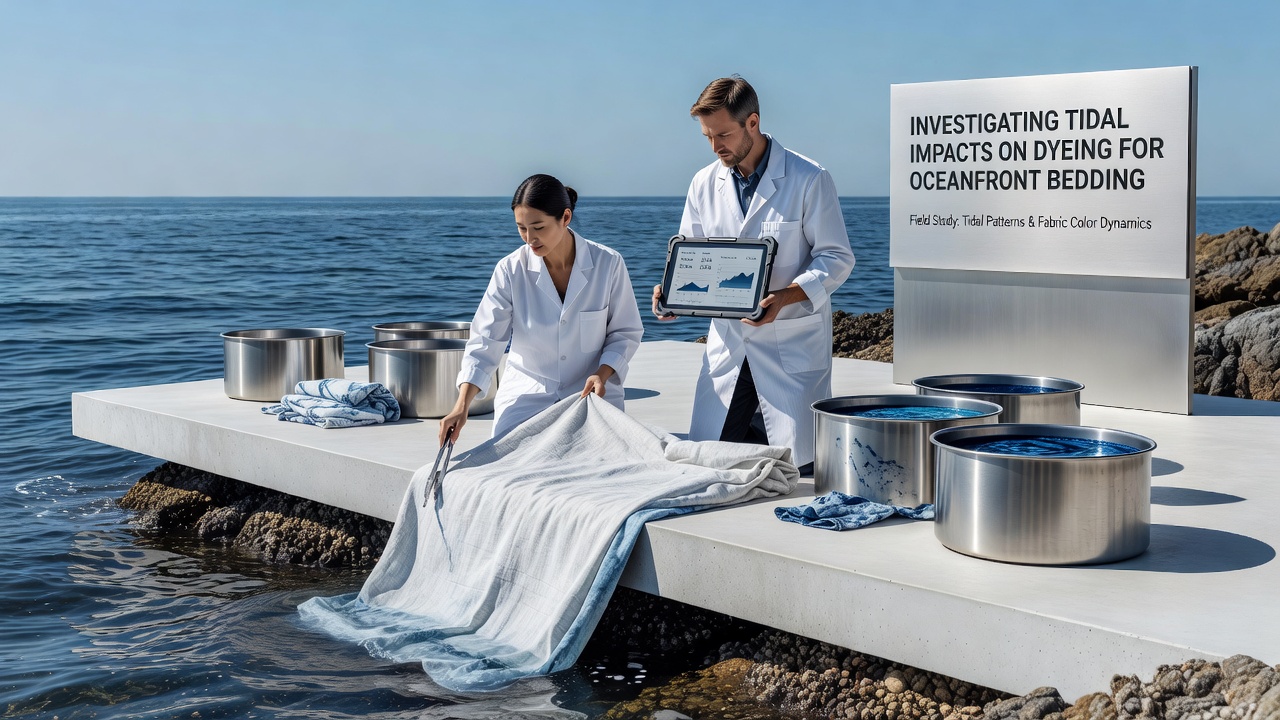
Coastal manufacturers have long tracked how tidal cycles alter seawater composition, and those changes directly influence dye absorption rates in oceanfront bedding lines. High tides often carry elevated salinity levels that modify fabric fiber swelling, while low tides concentrate organic sediments that interact with dye molecules during immersion baths. Researchers at several marine textile labs documented these shifts through controlled trials spanning multiple lunar cycles, revealing consistent variations in color fastness depending on the exact timing of water intake.
Tidal Dynamics and Coastal Water Chemistry
Tidal patterns create rhythmic fluctuations in temperature, pH, and mineral content along shorelines where many bedding producers draw process water. Spring tides, which occur twice monthly, push greater volumes of deeper ocean layers toward intake points, introducing higher concentrations of magnesium and calcium that bind differently with natural indigo and plant-based dyes. Neap tides, by contrast, allow more estuarine mixing that dilutes these minerals and sometimes introduces tannins from nearby river outflows. Observers note that facilities timing their dyeing schedules to specific tidal windows achieve more uniform saturation across cotton and linen blends used in oceanfront collections.
Measurement Techniques Employed by Industry Teams
Automated sensors installed at intake stations record real-time data on conductivity and dissolved solids every fifteen minutes, feeding algorithms that adjust dye bath recipes accordingly. Teams calibrate these systems using historical records from the National Oceanic and Atmospheric Administration, which supply precise tidal predictions for coastal zones. One study conducted over eighteen months showed that adjusting mordant concentrations by 8 to 12 percent during peak spring tide periods reduced uneven dye uptake by nearly a quarter. Such adjustments prevent the streaking that otherwise appears on duvet covers and sheet sets meant to evoke sea and sky tones.
Effects on Dye Fixation and Color Consistency
Salinity spikes during incoming tides slow the penetration of reactive dyes into cellulose fibers, requiring extended dwell times or increased agitation to reach target shades. Manufacturers compensate by pre-treating yarns with salt buffers calibrated to expected tidal ranges, yet this step adds both time and cost when cycles misalign with production deadlines. Data collected from facilities in the Pacific Northwest and along the Mediterranean indicate that color deviation rates climb when intake occurs within two hours of high tide unless bath temperatures are lowered by three to five degrees Celsius. These findings come from peer-reviewed textile engineering reports that emphasize the need for location-specific calibration rather than generic formulas.
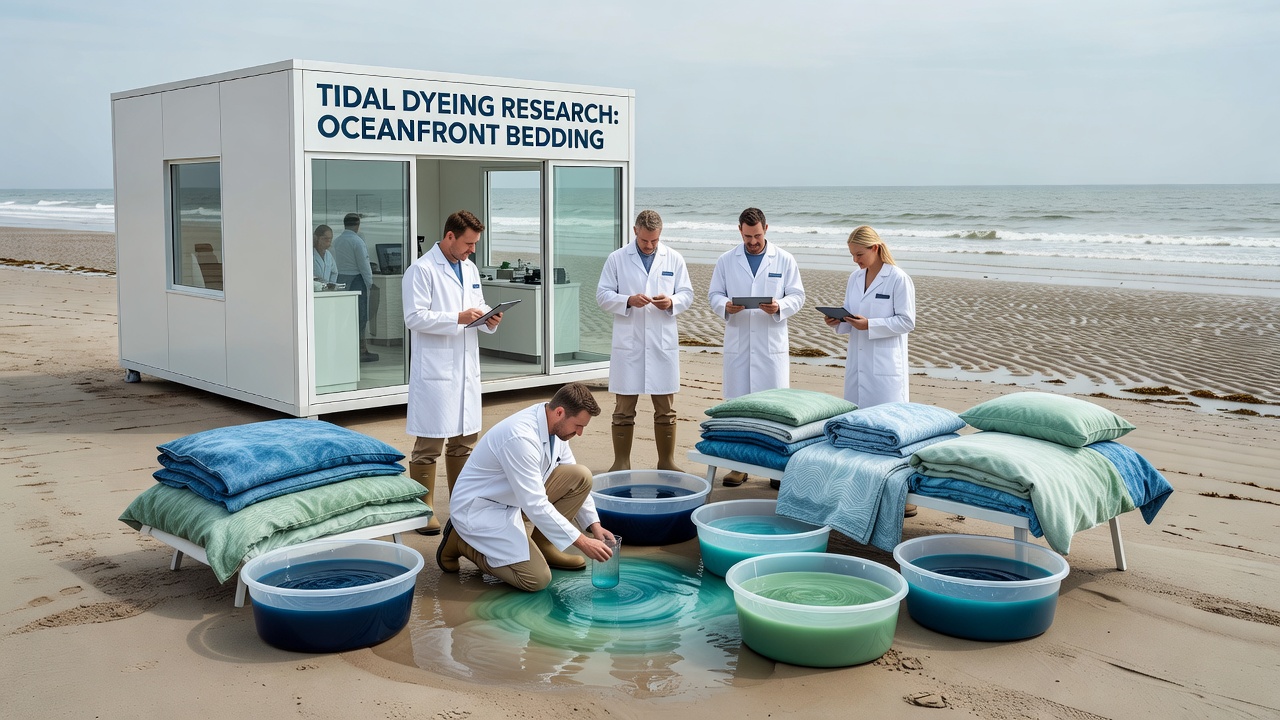
September 2026 marks the scheduled release of updated tidal modeling software from the Commonwealth Scientific and Industrial Research Organisation in Australia, which incorporates finer resolution data on coastal sediment transport. Producers anticipate that the new models will allow more accurate forecasting of dye bath conditions three to five days ahead, reducing batch rejections that currently average 6 percent in high-volume oceanfront lines. Early beta testing at two pilot plants already demonstrated a 15 percent improvement in first-pass color matching when operators integrated the forecasts into their workflow.
Regional Variations Across Production Sites
Facilities located near macrotidal zones experience more dramatic swings than those in microtidal regions, prompting different operational protocols. Atlantic coast sites in Canada, for instance, report needing larger buffer tanks to store water drawn during optimal tidal phases, whereas Gulf of Mexico operations contend more often with temperature-driven dye hydrolysis during prolonged low-tide periods. Comparative analysis published by the European Environment Agency highlights that European coastal mills using similar techniques achieve tighter tolerances when they cross-reference local tide tables with meteorological forecasts for wind-driven surge effects.
Supply chain partners further upstream now test raw fiber lots against simulated tidal water profiles before shipping to dyeing houses. This pre-screening step identifies cotton batches prone to excessive shrinkage under high-salinity conditions, allowing substitution before production begins. Records from three consecutive seasons show that such screening lowered downstream rework by an average of 11 percent across multiple oceanfront bedding collections.
Conclusion
Continued monitoring of tidal influences on dyeing chemistry supports incremental refinements in process control for oceanfront bedding manufacturers. Integration of real-time sensor networks with publicly available tidal data streams enables consistent output despite natural variability in coastal water sources. As modeling tools improve through 2026 and beyond, facilities gain additional precision in scheduling and recipe adjustments that maintain color standards across seasonal collections.